
ADRRN Statement on Recent Disasters in Afghanistan and Pakistan
from the Executive Committee, ADRRN

The Asian Disaster Reduction and Response Network (ADRRN) expresses our deepest condolences and solidarity with the people of Afghanistan and Pakistan, who have been devastated by the recent 6.0 magnitude earthquake and severe monsoon floods, respectively. Our hearts go out to the families who have lost loved ones, the thousands injured, and the hundreds of thousands displaced from their homes.
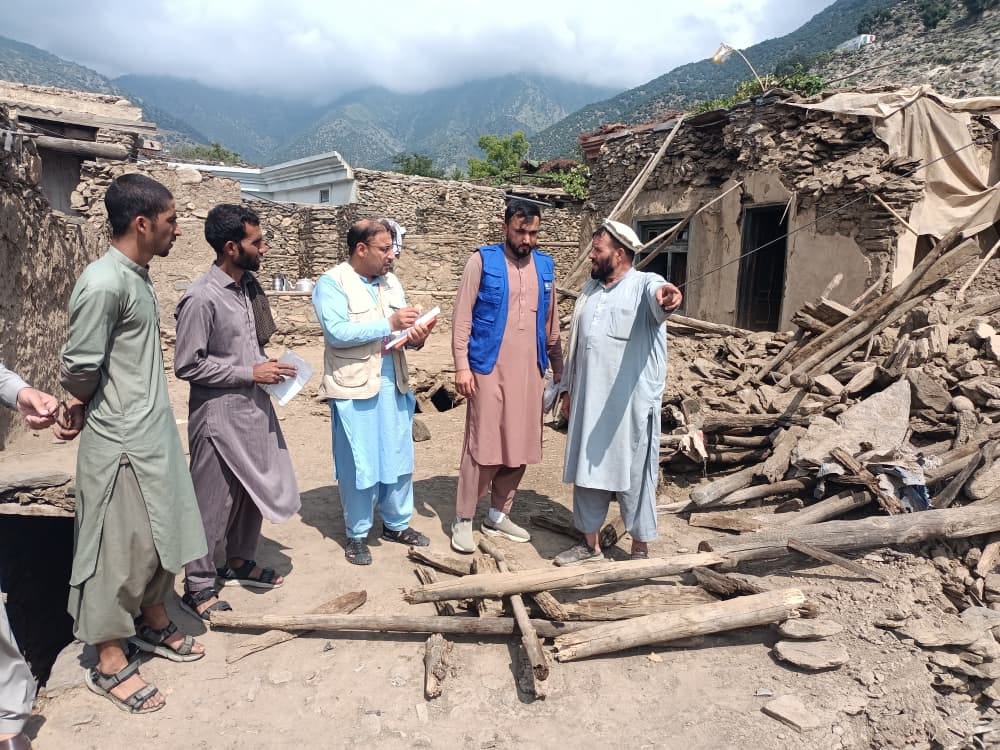
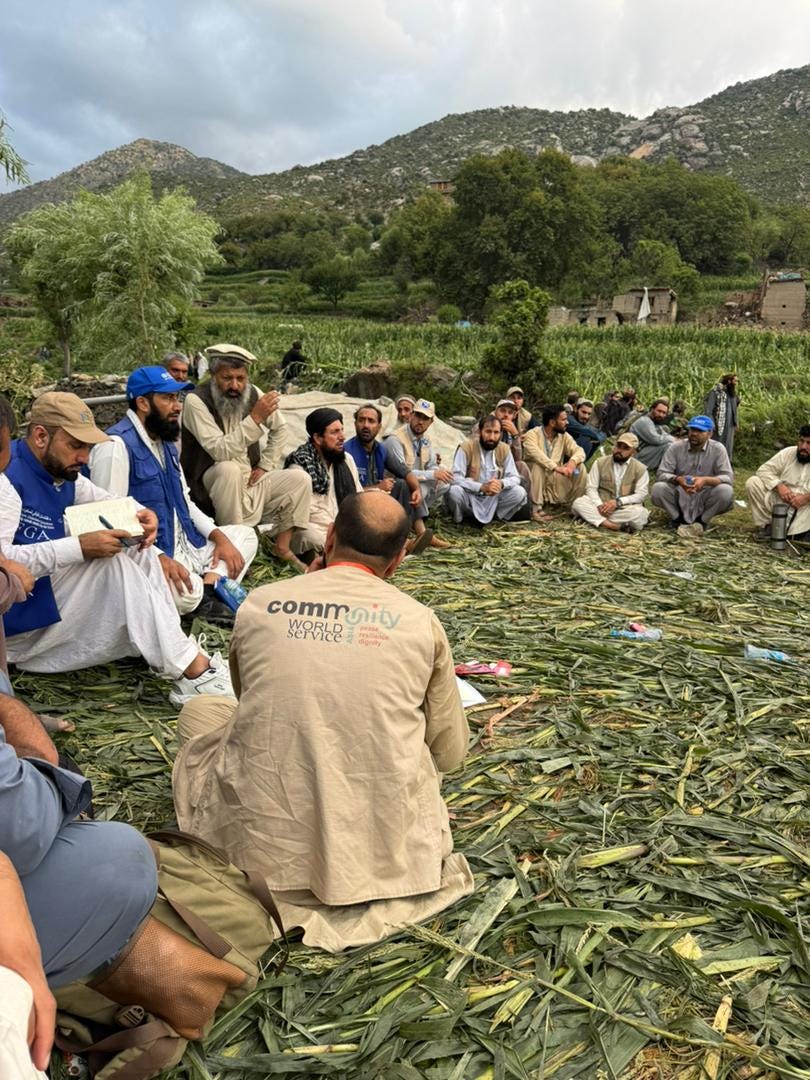
We particularly acknowledge the tremendous courage and dedication of our member organisations and humanitarian partners working tirelessly on the ground in both countries. Member organisations like Community World Service Asia (CWSA), Citizens Organization for Advocacy and Resilience (COAR), and many other local response teams are providing life-saving assistance under extremely challenging conditions, including blocked roads, damaged infrastructure, and ongoing aftershocks and flood risks.
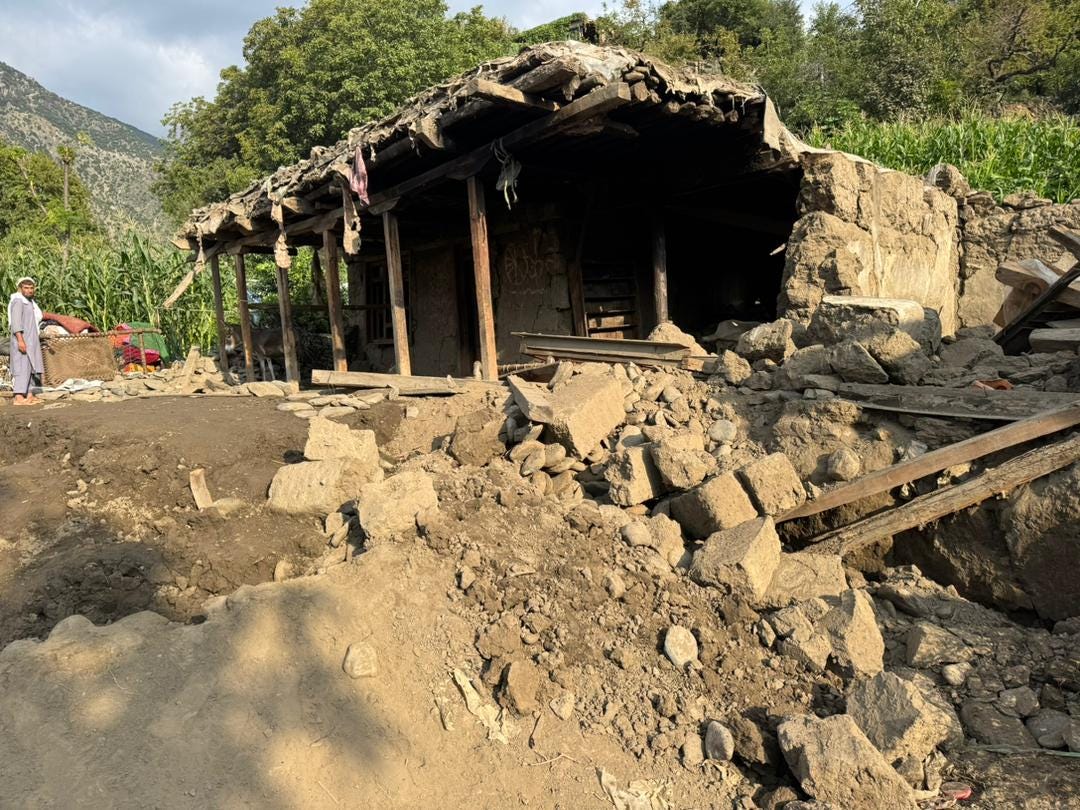
The scale of devastation is staggering. In Afghanistan, the August 31 earthquake has claimed over 1,000 lives and injured more than 2,000 people, with over 12,000 individuals directly affected across Kunar, Nangarhar, Laghman, and Nuristan provinces. Meanwhile, Pakistan's 2025 monsoon season has resulted in similar fatalities, over 1,000 injuries, and more than one million people affected, with particularly severe impacts across Punjab, Khyber Pakhtunkhwa, and Gilgit-Baltistan.
Humanitarian assistance is of utmost priority, but we also understand that we need to capture disaster risk reduction (DRR) lessons learnt to build-back resilient communities from these experiences. ADRRN sees some priority needs that are emerging from these disasters:
Strengthening Inclusive Early Warning and Early Action
While the early warning for flooding is done at a wider scale, threshold setting and preparation for early action always need to be done at the very local levels. This will require understanding risky rainfall patterns, potential monitoring of GLOF (Glacial Lake Outburst Flood), and river water level monitoring in each community, and they should link to early and anticipatory action by the local communities through localised dissemination. The recurring pattern of severe monsoon flooding, exacerbated by upstream water releases, demands more investment into early warning systems that can reach the most remote and vulnerable communities with sufficient lead time for early action to mitigate damage. Our region is making significant progress in this regard, but given the complexity and severity of hazards we face, we seriously need to invest in this area further to mitigate loss and damage.
Seismic Vulnerability Assessment and Retrofitting
The casualties from the earthquakes in Afghanistan are solely due to the collapse of houses and buildings. The country has experienced three major deadly earthquakes in just over three years: the June 2022 magnitude 6.0-6.2 earthquake in eastern Afghanistan; the October 2023 magnitude 6.3 earthquake in Herat Province; and now the current August 2025 magnitude 6.0 earthquake with over 800 fatalities. Afghanistan has a complex array of faults, primarily due to the collision between the Indian subcontinent and Eurasia plate, and the likelihood of earthquakes is very high, which requires investment into seismic resilience. A seismic vulnerability assessment must evaluate not only individual buildings but entire communities, identifying the most at-risk structures, including schools, hospitals, and other critical facilities that serve as lifelines during emergencies. And seismic retrofitting should not be seen as a cost, but a critical investment to save lives. This requires a resilience movement to change the perception and investment pattern of ordinary citizens. Retrofitting programs must go beyond new construction standards to address the millions of existing structures built with traditional methods that offer earthquake resistance. This requires developing locally appropriate, cost-effective retrofitting techniques that can be implemented by communities themselves, supported by technical guidance and financial assistance. The scale of this challenge demands sustained regional and international support and a long-term commitment to transforming Afghanistan's built environment.
Critical Need for Transformative Disaster Risk Reduction Investment
Pakistan requires sustained investment in comprehensive disaster risk reduction infrastructure and systems to break the devastating cycle of recurring monsoon floods. Although significant improvements have been made in the last decade, Pakistan still needs transformative investment in early warning systems that can provide actionable information to the most remote communities, comprehensive drainage and excess water management systems that can handle extreme precipitation events, and resilient rural infrastructure that can maintain connectivity during flood periods. The destruction of kilometres of roads and bridges during this monsoon season alone demonstrates the enormous economic cost of recurrent hazards the country faces. There are significant areas of investment that can aim to mitigate the loss and damage expected from future disasters, which will not be less but more, given the current climate projections. And with open and transparent disclosure of investment and risk reduction impact, we believe it would increase the confidence among the citizens, which would contribute to a resilience movement within the region.
Investing in Community-Based Disaster Risk Reduction
The heroic efforts of local communities in both countries during these disasters demonstrate the vital importance of community-based preparedness. At the end of the day, they are the first responders. Training local residents in search and rescue techniques, establishing community emergency response teams in high-risk areas, and developing local capacity for immediate post-disaster medical care and psychological first aid can save countless lives in the critical first hours after a disaster strikes in an inclusive way. Communities that are prepared and organised can often mount more effective initial responses than external agencies struggling with access challenges. This is the true localisation that ADRRN aspires to, with full respect to the roles such local leaders play.
Advancing Locally-Led Climate Adaptation
In the current era, all countries in our region need to develop comprehensive flood management strategies that account for increasingly severe monsoon patterns and the complex dynamics of upstream water management across international boundaries. The recurring devastation from both riverine and inland flooding suggests that current infrastructure and management approaches are insufficient for the scale of water-related challenges our region faces. With more intense rain, there will be a greater likelihood of slope failures and landslides, also, which would require more robust monitoring of risky slopes, particularly near residential areas. Communities have been living with the risks for a long time, but the risk levels and patterns are changing. Thus, in order to maximise the community’s leadership, their efforts need to be backed up by science and technical support.
ADRRN envisions our region to be a resilient one, being able to reduce the loss and damage from shocks of stresses we inevitably face. ADRRN remains committed to supporting our members and partners in both countries as they carry out critical life-saving assistance, and with the transition from emergency response to recovery and long-term resilience building. We will continue advocating for sustainable, locally-led approaches that reduce future disaster risks while addressing the immediate needs of affected communities. We will also learn from every disaster event, and will convey the lessons to other countries in the region as a regional approach of co-learning on resilience.
The remarkable resilience of the Afghan and Pakistani people in confronting these overwhelming challenges continues to inspire us all. Behind the devastation we see, we know some local leaders are tirelessly working to serve their communities’ needs in such difficult times. Their strength in the face of such devastation reminds us that with proper preparation, investment, and cooperation, communities can become more resilient to the natural hazards they face. Together, through coordinated regional and international effort, we can work toward a future where natural hazards do not routinely become humanitarian catastrophes.
In solidarity,
Asian Disaster Reduction and Response Network (ADRRN)
Executive Committee