
Mobilising Compassion: Reflections on RHPW 2025
by Harumi Endo, Soka Gakkai International, Japan

How do we mobilise compassion in today’s world?
That question, posed by Professor Michael Barnett in the opening session of the Asia-Pacific Regional Humanitarian Partnership Week (RHPW) 2025 in Bangkok, stayed with me long after the session ended.
In most professional settings, compassion is not prioritised. It is often treated as aspirational rather than operational. And yet I have come to believe that compassion is one of the most powerful capacities we possess. It shapes how we perceive others, how we respond to differences, and whether we act in the face of suffering.
The question, then, is not whether compassion matters, but how we activate it.
What the conference helped me see is this: compassion is not mobilised through concepts alone, but through stories that connect human experiences across contexts.
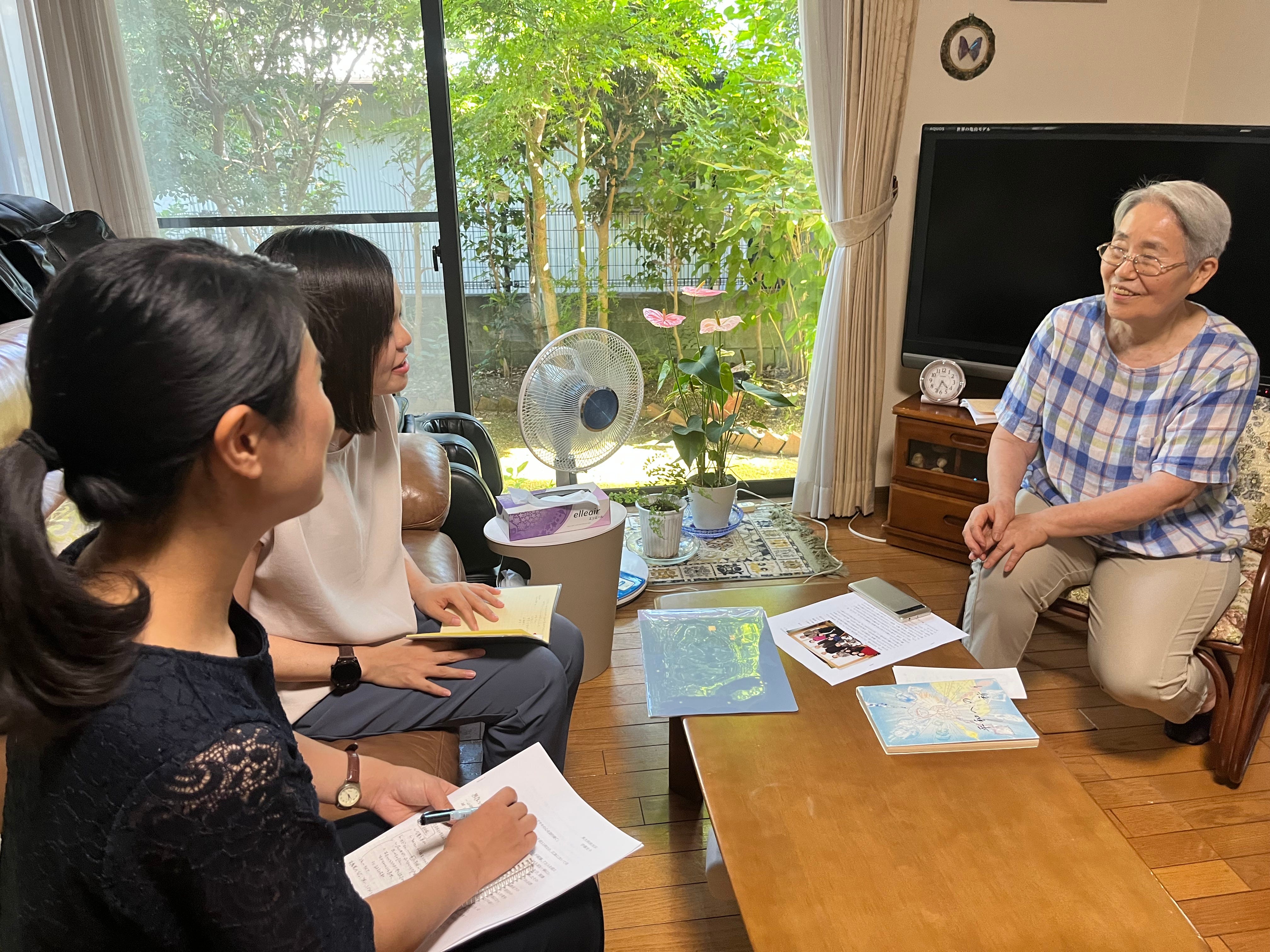
I attended RHPW for the first time, representing Soka Gakkai International (SGI), a global community-based Buddhist organisation that promotes peace, culture and education centred on respect for the dignity of life. At the heart of Nichiren Buddhism is the conviction that every human being possesses an inexhaustible potential for wisdom, courage and compassion, also known as “Buddhahood.” This potential is not fixed. It is drawn forth through our relationships, through the stories we share, and through bearing witness to one another’s struggles and transformations.
This is why storytelling is central to our activities.
SGI members around the world share lived testimonies of what Nichiren Buddhism calls “changing poison into medicine” — transforming even the most painful experiences into sources of meaning, resilience and action. These are not abstract narratives. They come from atomic bomb survivors (hibakusha), from communities devastated by industrial pollution diseases, from individuals navigating illness, loss and displacement. What these stories share is not an erasure of suffering, but a refusal to be defined by it. They restore dignity. They create solidarity. And they move people to act.
It was in this context that I felt a strong resonance when I learned that RHPW 2025 would host its first-ever Humanitarian Story Circle.
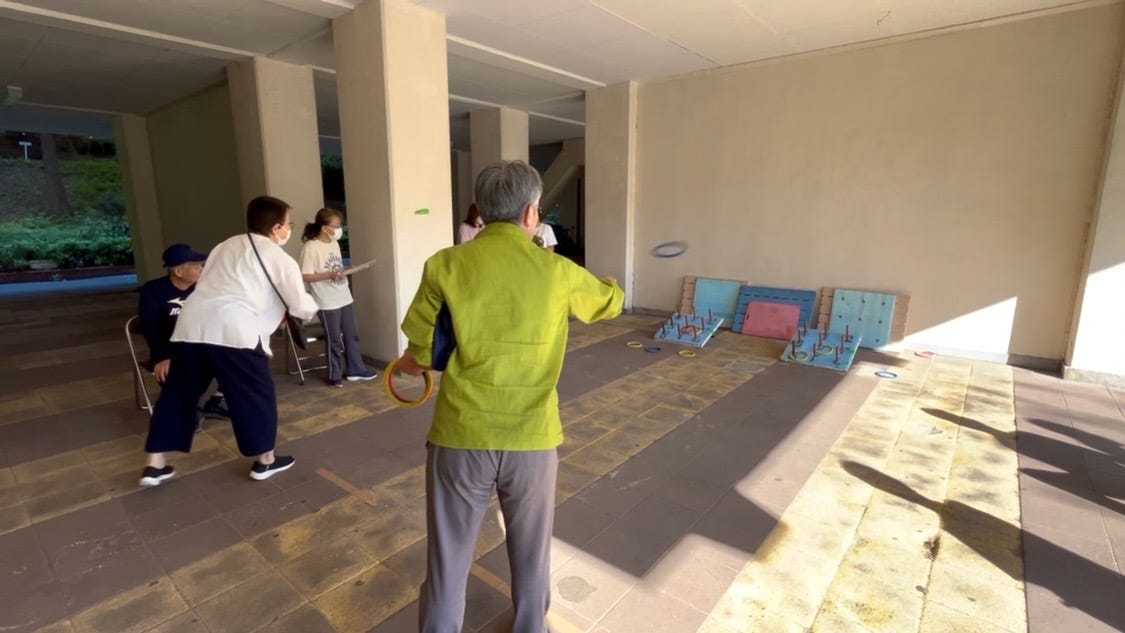
I submitted a short video about a neighbourhood in Tokyo grappling with rapid demographic aging. A community where nearly half of the residents are elderly, many living alone. What struck me about this neighbourhood was not a large intervention or a well-funded programme, but the texture of everyday life: community members voluntarily checking in on their neighbours, elderly residents gathering weekly for ring toss practice, local leaders quietly mapping which households might be hardest to reach in an emergency. Through these small, repeated acts of contact, trust accumulates. And from trust, resilience grows.
Sharing this story at the Story Circle led me to a realisation: compassion mobilisation does not begin at a global level. It begins by making the everyday visible.
When we witness a neighbour checking in on someone, or a community organising its own disaster response, we stop seeing “issues” and “beneficiaries.” We see people — with dignity, agency and interconnection. In that shift of perception, compassion becomes not an abstract value but a natural response.
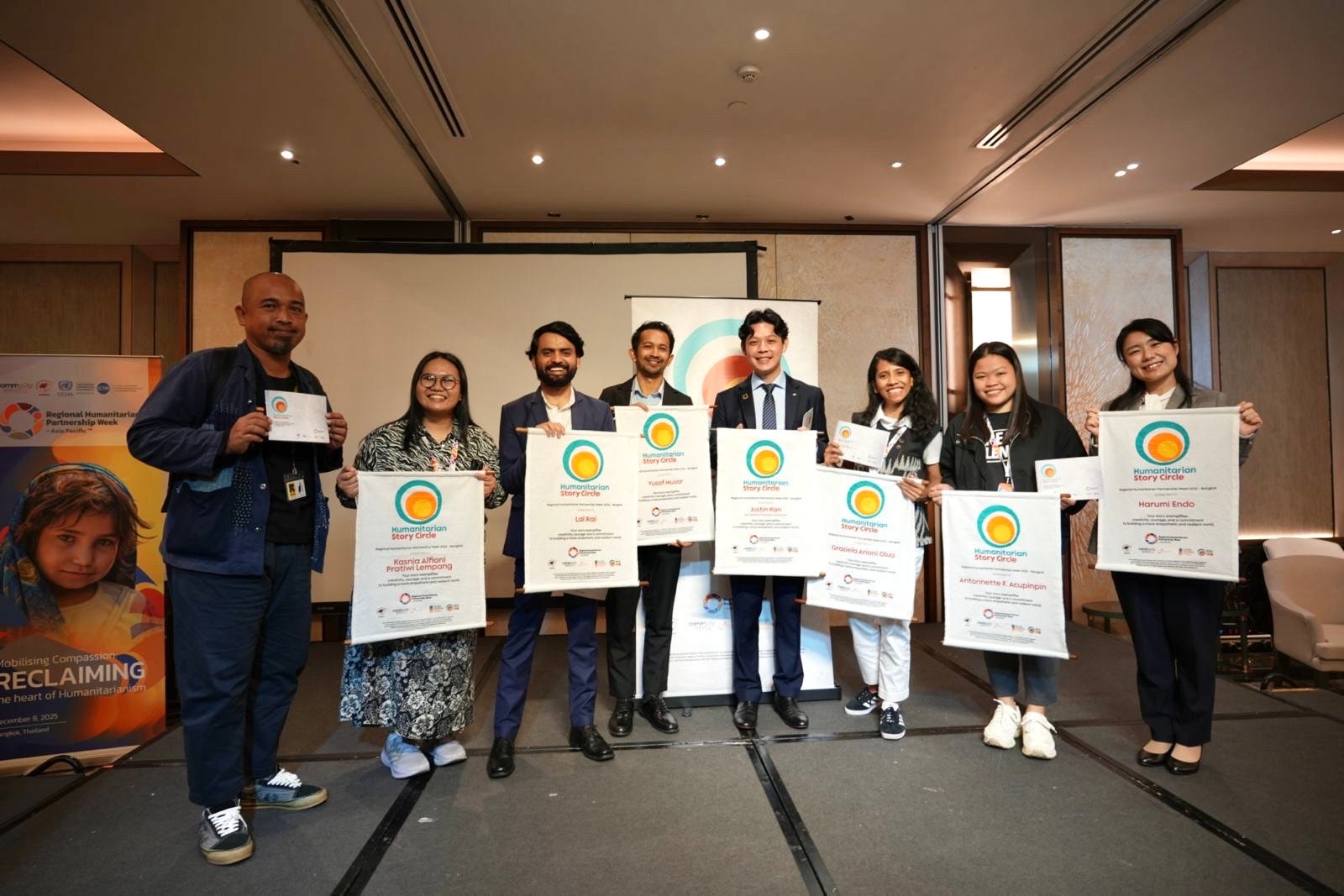
Perhaps this is how we begin to answer Professor Barnett’s question.
We do not activate compassion by arguing for its importance. We mobilise it by creating conditions in which people can feel, recognise and connect.
While a speech can spark an idea, it is stories that give it life, quietly, persistently, and powerfully enough to move us toward action.
My deepest gratitude to everyone involved in RHPW 2025, and especially to those who created the Humanitarian Story Circle: a space where the everyday became visible, and where stories did exactly what they are meant to do.